
2026 Round Table: Mentorship, Day Rates, and Responsible AI

Say "trainee" to a client and most picture a kid dropped at a courthouse on day one. That image is the real objection.
Build the answer before you make the ask. Dudley mapped roughly 100 checkpoints a landman needs exposure to before standing on their own, then polled the field for mentors and paid the 20 they picked. Trainees came last, once there was something to put them into.
Walk a client through that sequence and you're handing them a plan they can write into an MSA. Brent hasn't had one say no yet.
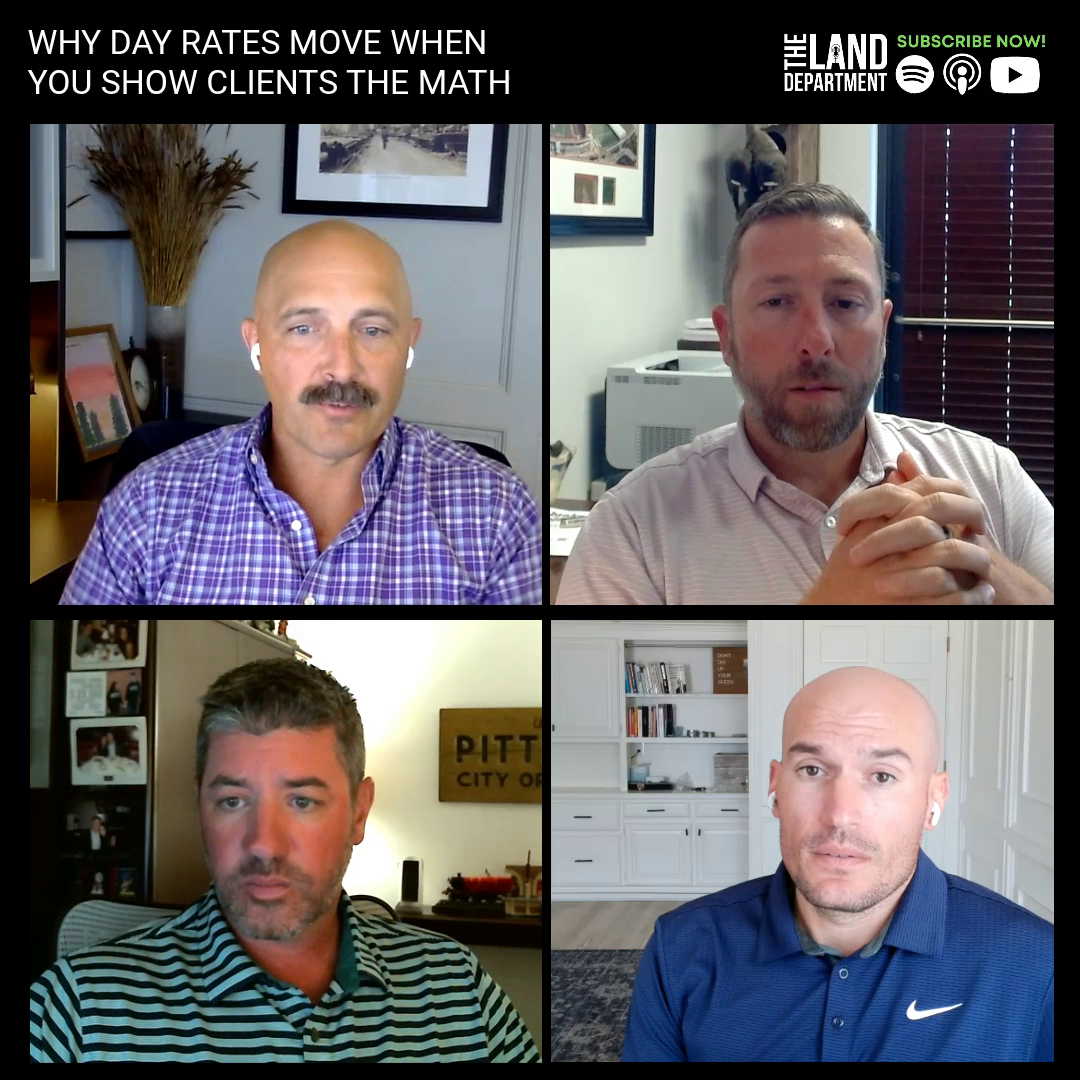
The industry spent twenty years telling clients "I need more money." You can see where that got day rates.
What's moving them now is arithmetic. Most clients have never seen what an independent landman carries: own taxes, own insurance, own retirement, unpaid time off. They haven't seen a broker's compliance costs climb every year either. Attorneys run a service business too, and their fees have gone up by multiples of what day rates have.
Show a client that comparison, then pass the raise straight through to the landman.

Ask your managers to name the company's biggest problem and you'll mostly hear what you already expected.
Dudley's October retreat gets there differently. Every leader in the company sits down for two or three days and works through a series of exercises. Each one feels weird while you're in it. Look up after five and they're all pointing at the same thing.
Whatever surfaces leaves December's planning with a named owner attached. Your people already know where it hurts. Build something that lets them show you.
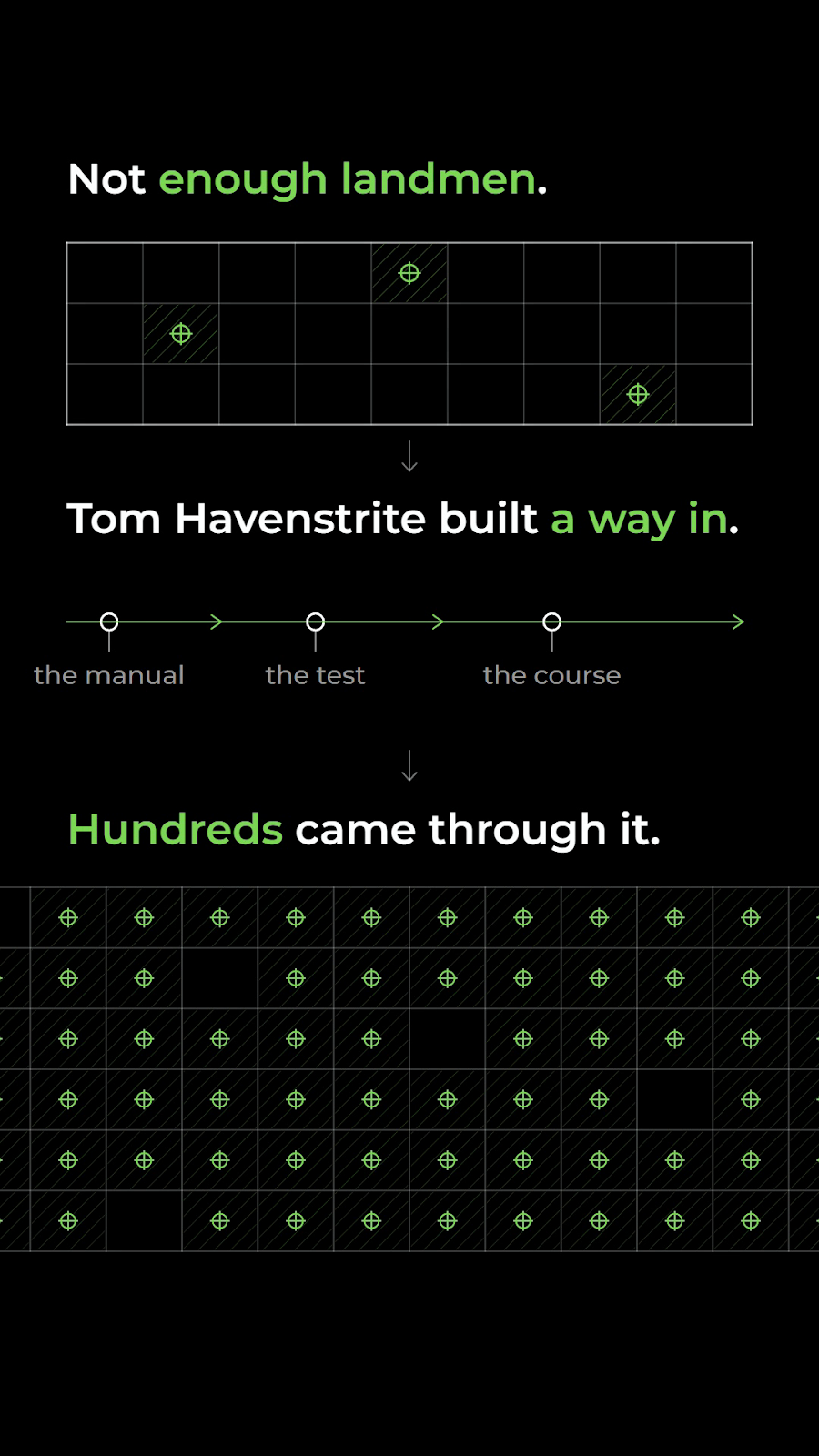
Twenty-four years ago the industry ran short of landmen. One person built a training manual, a test, and a course, and hundreds of people came into the business. They became the career landmen, the brokers, and the in-house staff the industry runs on today.
The shortage is back. The playbook is proven, so the only question is who runs it.
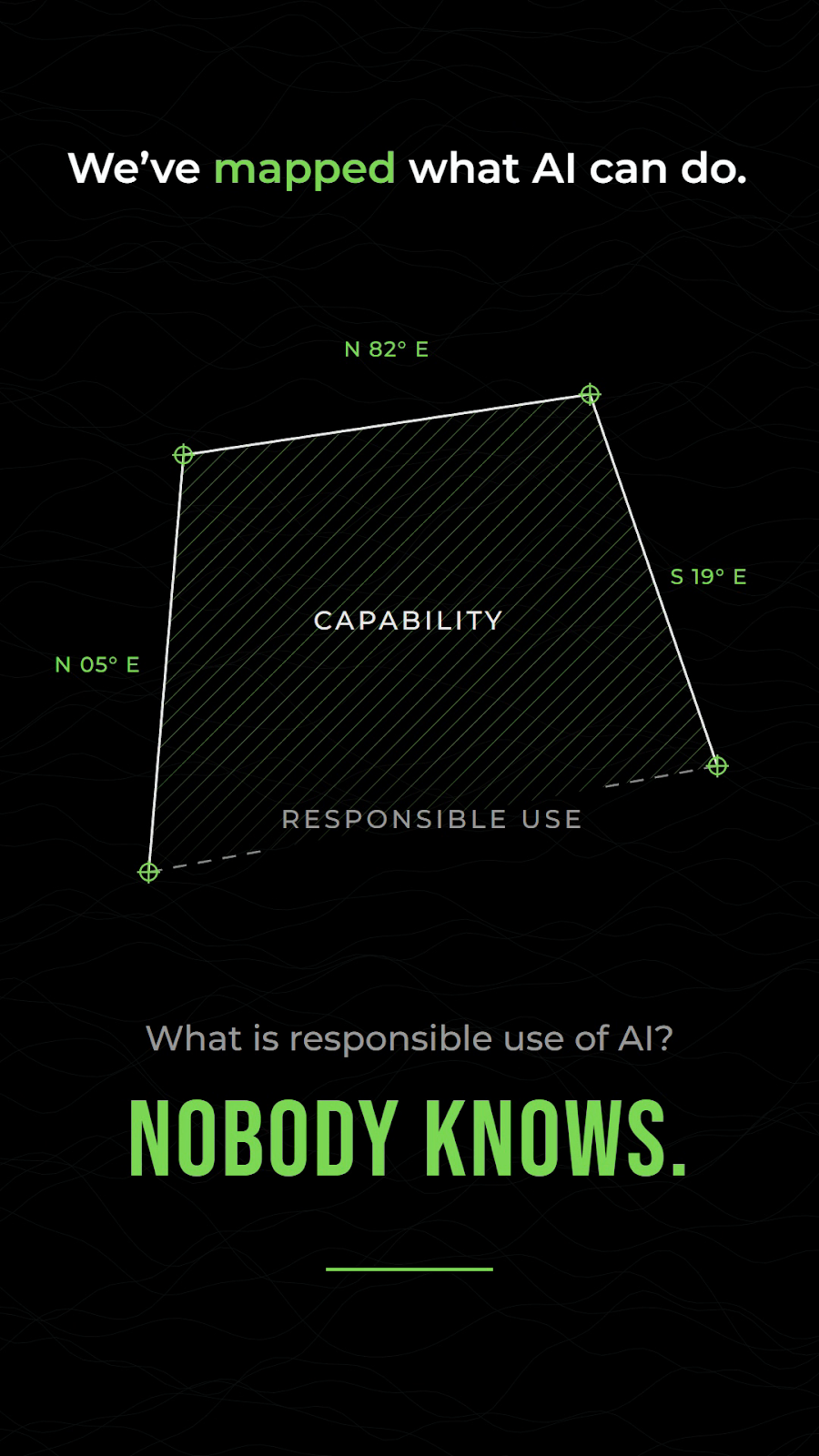
Capability is settled. AI can already do more than most land teams have adopted.
The open question is what responsible use looks like, and nobody in land can answer it yet. No standard, no shared line, nothing published to point at.
Waiting for the industry to define it means someone else sets your standard. Write yours down now.
Energy companies are trying to hire land staff in-house and finding nobody to hire.
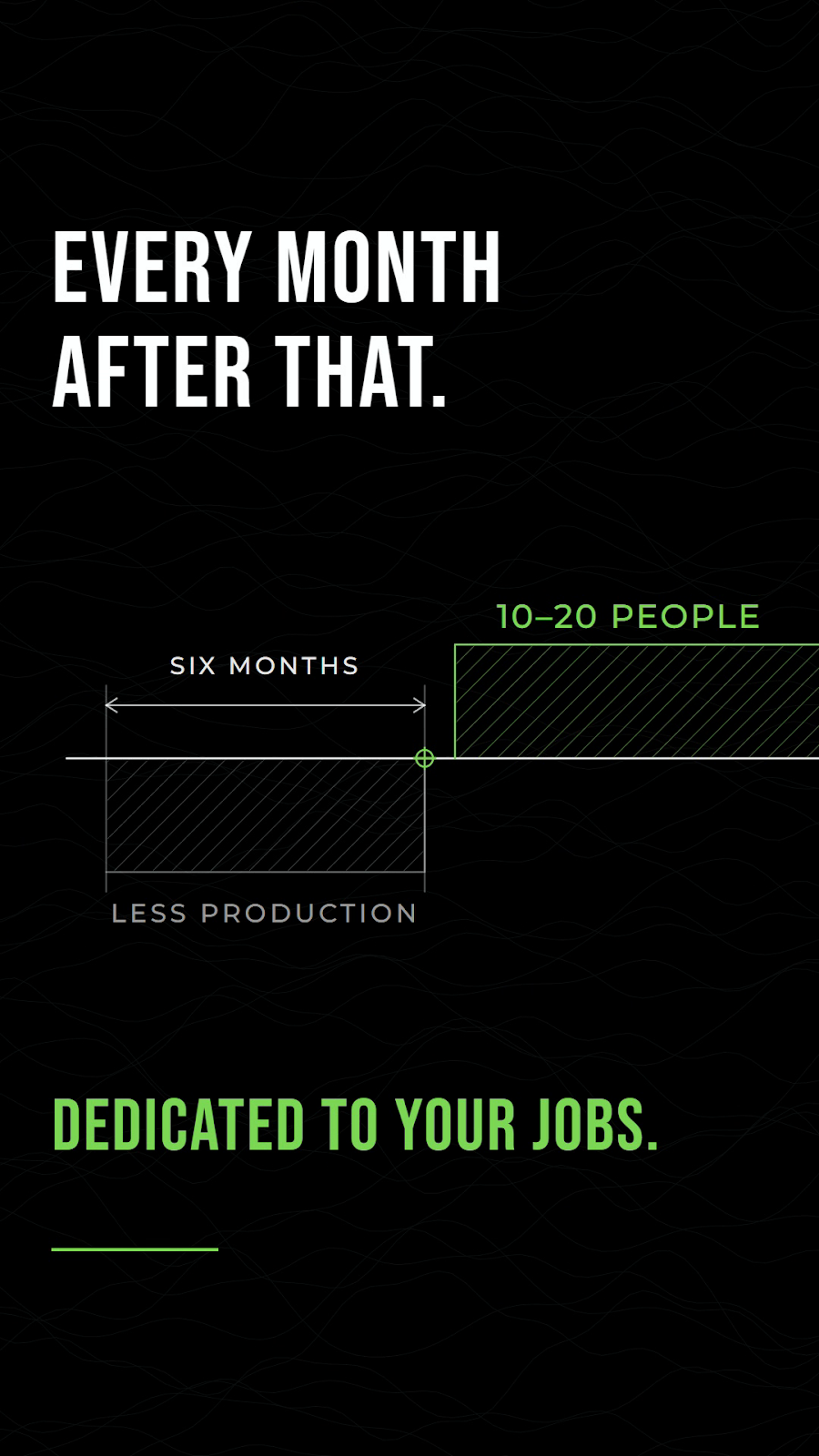
Here's the trade on the table: fund six months of a mentor program, accept less production than you'd like while it runs, and come out with ten to twenty experienced landmen dedicated to your projects.
Six months goes fast. That's your bench, built to order.
Your crews are at capacity, you're turning down work, and the bench behind them is thin. You already know the answer involves bringing new people in, and you also know that handing a trainee a courthouse assignment isn't training. Brent, Steve, and Brandon walk through what Dudley built this year: roughly 100 checkpoints a landman needs exposure to, about 20 paid mentors, and more than a dozen energy management graduates working a six-month program. They get into why day rates finally started moving, what client backing looks like inside an MSA, and why nobody in land can define responsible AI yet. If you're growing a team without giving up the quality your clients hired you for, start here.
- How to structure a landman training program clients will actually back
- Why paying your mentors is what keeps the program alive
- What's moving day rates now that asking for more never did
- Where free AI tools break the confidentiality agreements you already signed
- How a land company turns an October retreat into next year's objectives
“I've never been in a spot where I've turned down so much work, to be honest.”
— Steve“Training someone isn't just hiring them and throwing them out there. It's being responsible.”
— Brent“If you don't have young people coming into the industry, what's gonna happen in 10, 15 years?”
— Brandon“There's a difference between using AI and building with AI.”
— Khalil- Build the training protocol before you recruit. Dudley mapped roughly 100 checkpoints a landman needs exposure to and lined up paid mentors first, then brought trainees in. Recruiting first and sorting out development later is what gave trainees a bad name.
- Pay your mentors. Mentoring pulls real time and attention away from billable work. Compensating mentors is what keeps a program alive past its first enthusiastic month.
- Sell the trainee program as a partnership. Clients fund six months of lower production and come out with ten to twenty landmen dedicated to their projects. Framed that way, Steve hasn't had a client say no.
- Day rates move when you explain the business, not the ask. Insurance, benefits, compliance, and now AI tooling all cost money. Walking clients through that math gets further than twenty years of asking for more.
- Free AI tools are a confidentiality problem. Contractors pasting client data into consumer chatbots are breaking the same agreements they signed. Approved-tool lists and contract language are the fix, and both belong in your MSA conversations now.
- Give every goal an owner. Annual planning holds up when each objective carries a named owner and a monthly progress update that goes out to the whole company, misses included.