
Why Landowner Trust Decides Whether a Data Center Gets Built (with Drew Burke)
Say “data center” to a Texas landowner and the first question back is water. Drew Burke's answer starts long before the question: credibility can earn you respect, but it can't earn you openness. Listening does that.
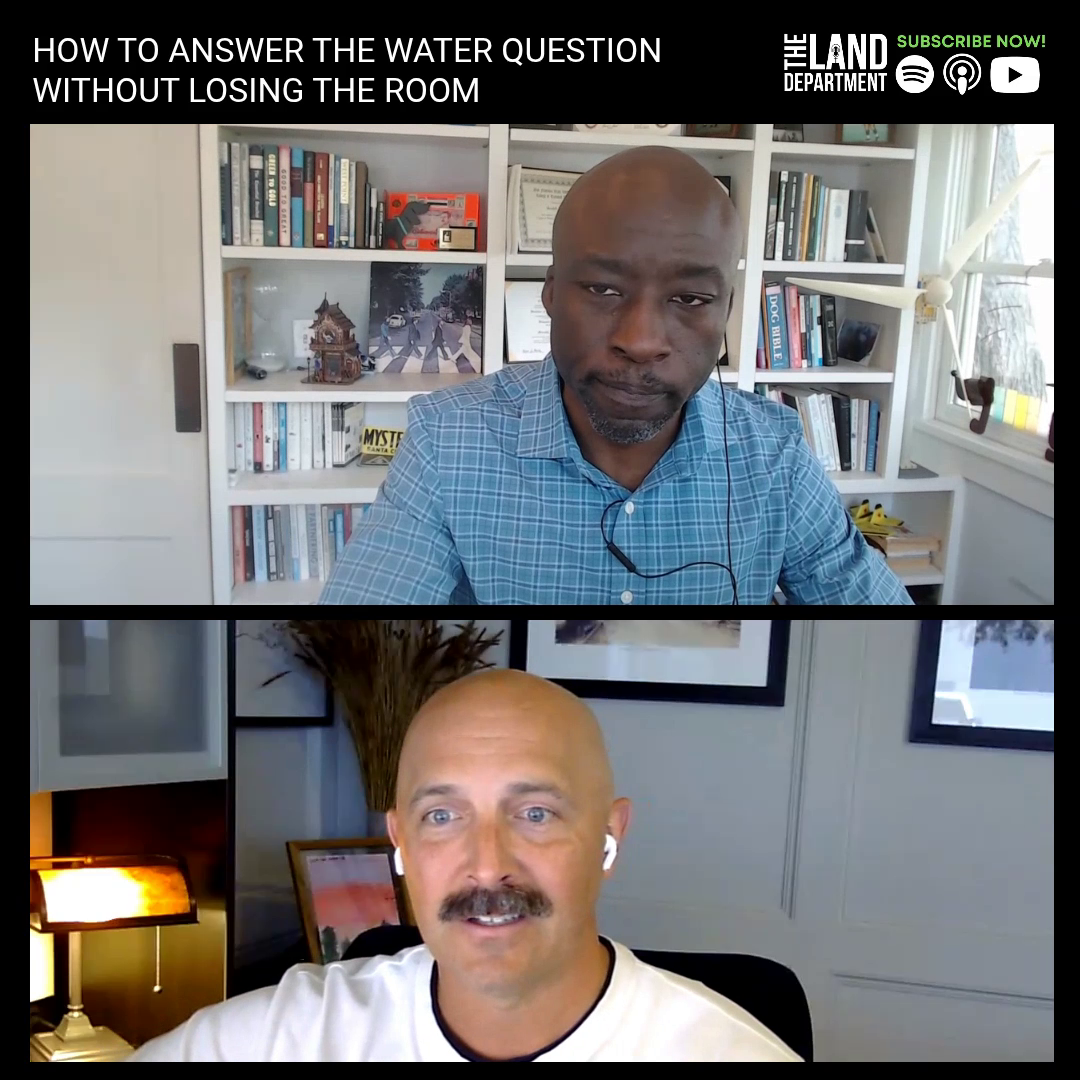
When the water question comes, he answers it straight. Here's what we know, here's what we can't control, and if the water doesn't work, we walk away and you don't get paid, because the reputation is worth more than the deal.
That posture is rare after five years of rushed outreach, and it's why landowners trust the people who listen first about the ground that carries their whole story.
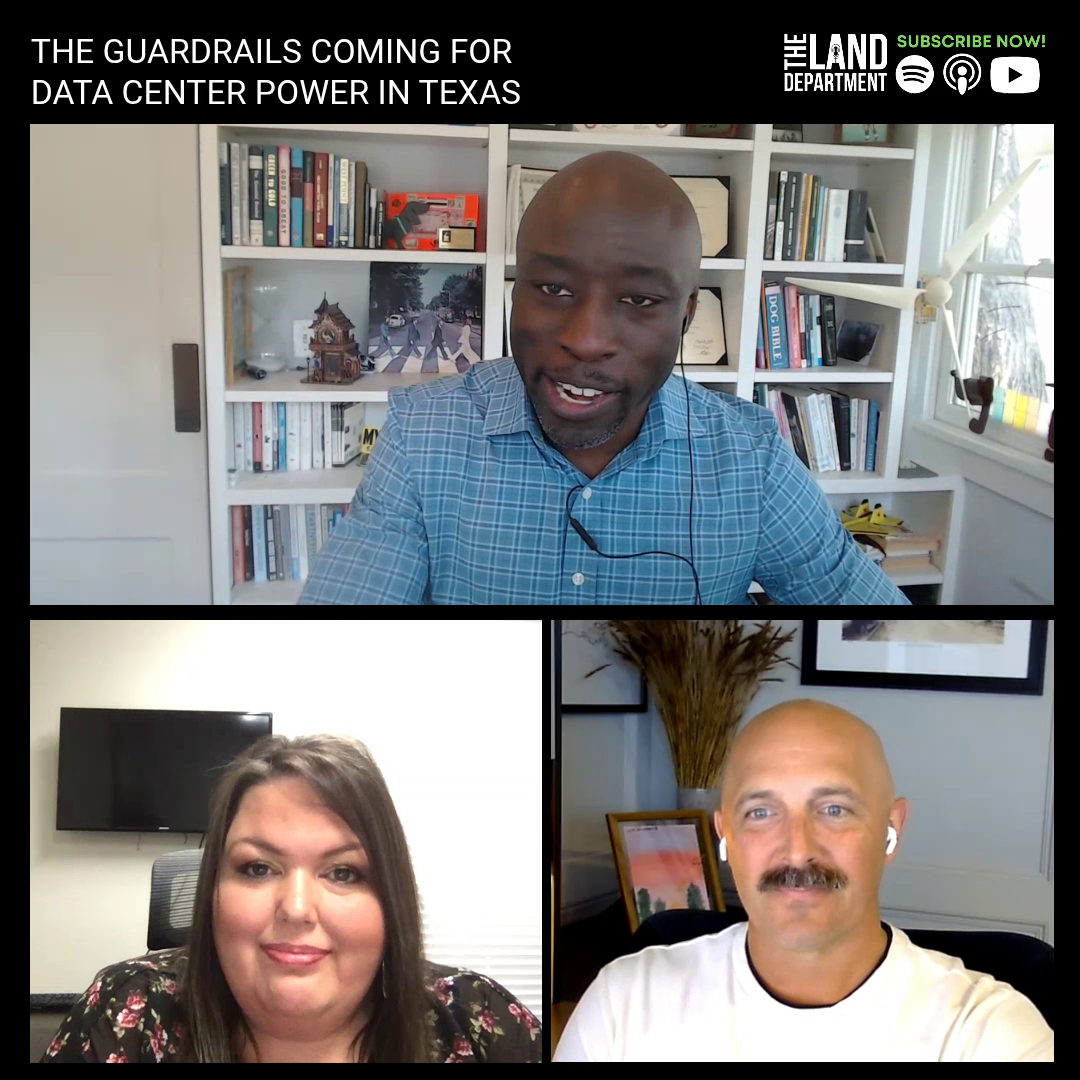
Texas put requirements on data centers that read like a list of every argument at a county hearing: cover your own interconnection and transmission costs, add capacity to the grid, curtail when ERCOT asks, run closed-loop on water.
Natalie wishes those requirements got more attention, because they'd put landowners at ease. The fights people are having on social media are the ones the state already settled.
The piece still missing is the utility bill. Cost causation is hard to prove, so large load takes the blame when a bill goes up. Drew hasn't met a hyperscaler unwilling to pay its share; he just wishes utilities showed the math.
Drew Burke won't give in to a county moratorium, and he won't pretend the industry's bad actors don't exist either. Both moves lose the same way.
Give in, and every county learns a moratorium scares developers off. Deny the bad actors, and nobody believes another word, because landowners have seen deals where somebody took more than they should have. He sits at the table with the commissioners, names what went wrong on other deals, then shows what's different about this one.
Oil and gas already ran this experiment during the fracking boom. The counties that got pragmatic got the projects, and the ones that held out watched the work go somewhere else. That's what Drew means when he says the numbers make a project viable and the narrative is what makes it possible.
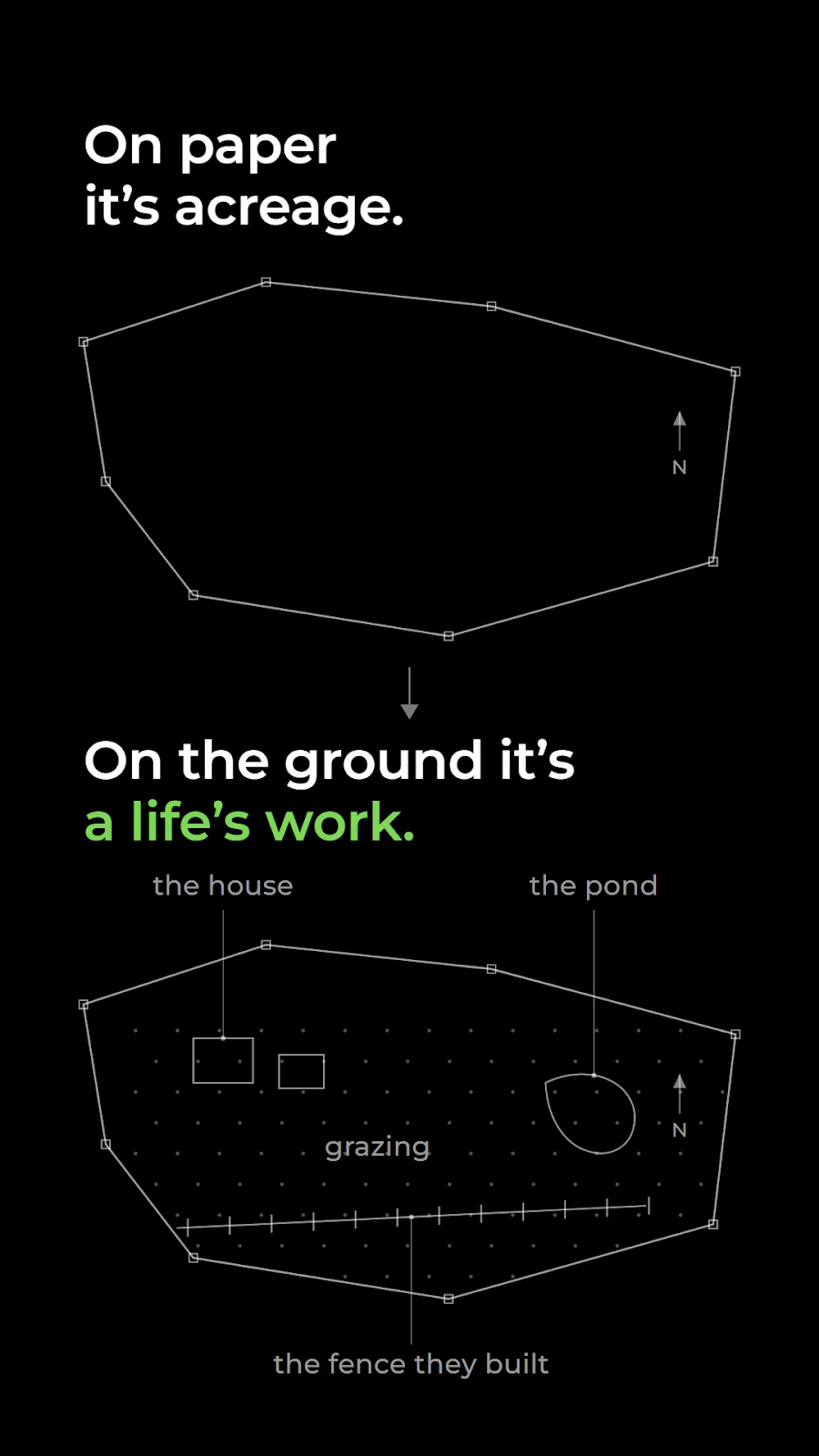
Drew Burke's parents are immigrants; his family hasn't been in this country for generations. The landowners he sits with have been running steer on the same ground their whole lives. He asks about that, because they're handing over something with a lot of history behind it.
The more you understand where someone's coming from, the more they trust you to do right by them, whether the deal goes through or not.
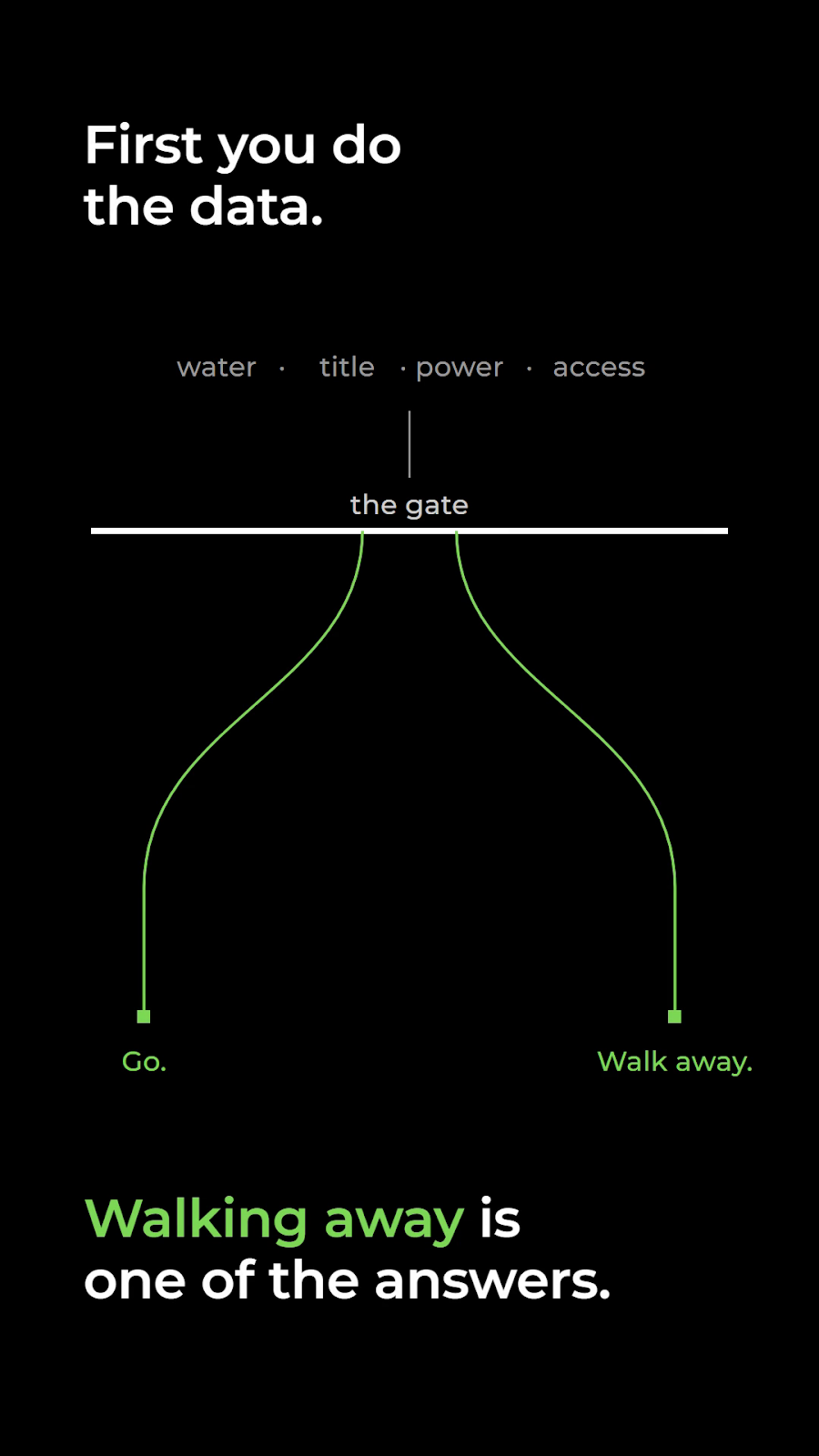
A Henderson County data center project withdrew and the coverage read like a crash. Drew Burke read it the other way: the developer hit a stage gate, the site didn't clear, and they walked.
That's what he means by “development should be boring.” You do the data, you know where you'll walk away, and when a site doesn't work you don't push it onto a community and hope.
Brent's read on the last five years: a mad dash. A lot of people jumped in thinking they could grab land and it'd be easy, and what they built instead was landowner fatigue.
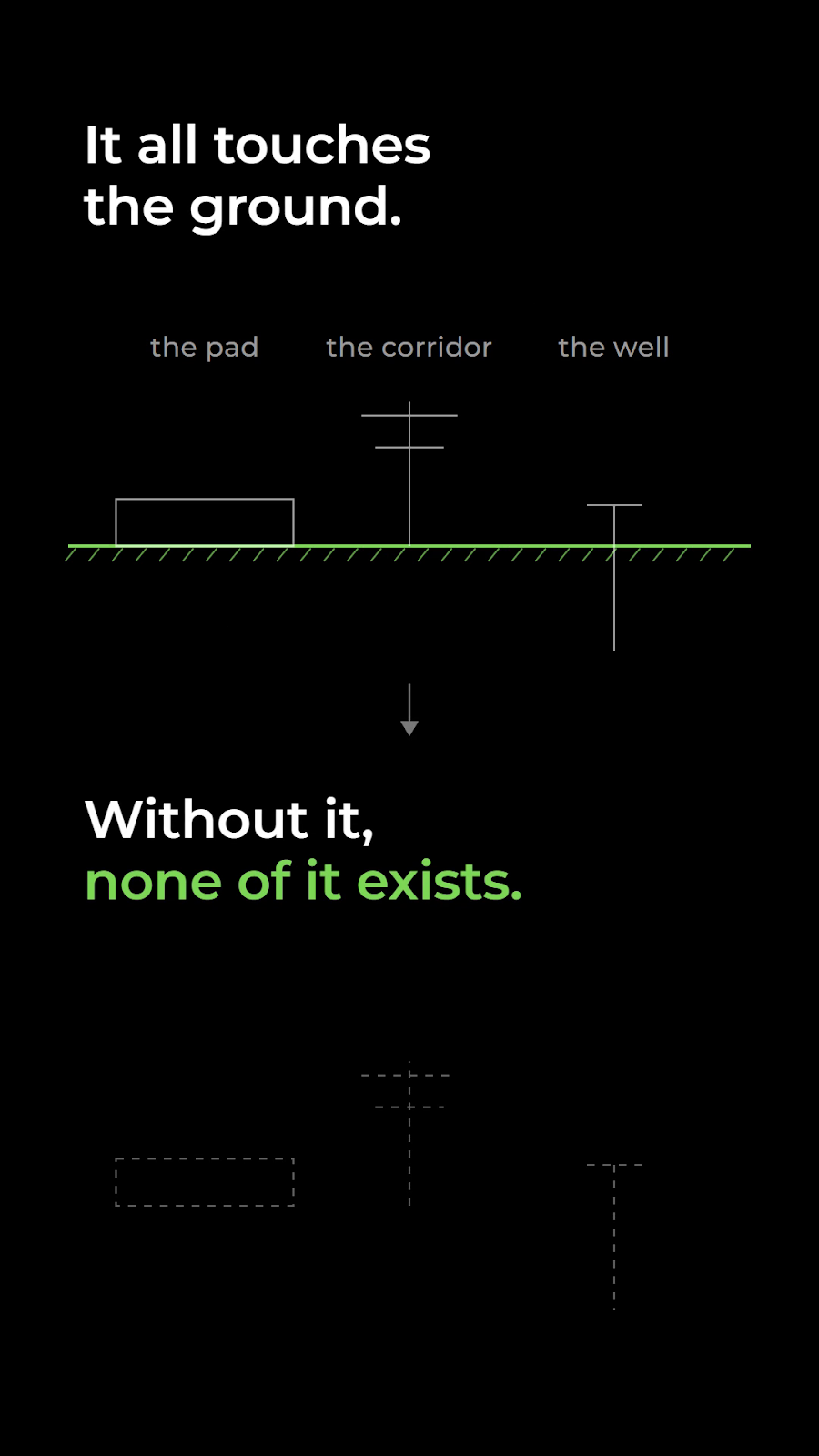
Land is the root of everything; you don't have anything without it. Oil and gas learned that over a hundred-plus years, and data centers are learning it now. The ground game runs the deal, and the relationship with the landowner is where every project starts.
Say “data center” to a Texas landowner right now and you'll hear about the last five years: calls every week, promises that didn't hold, and a worst-case story leading the news. That fatigue is what you're walking into, and it decides deals before the numbers do. Drew Burke runs data center site selection for Hanwha, a South Korean conglomerate, after leaving a career at Shell. He joins Brent and Natalie to talk about what responsible development takes in Texas now: answering the water question straight, why a withdrawn Henderson County project was good news, and how roughly $50,000 a megawatt of at-risk security moved land work onto the critical path. If you're the conduit between a landowner and a company in a hurry, this one's for you.
- How to answer the water question when you don't control the outcome
- Why a withdrawn Henderson County project was good news for the industry
- What the new Texas guardrails cover, from interconnection costs to curtailment
- Where roughly $50,000 a megawatt of at-risk security puts pressure on title and surface use
- How to work a county moratorium instead of walking away from it
“Development should be boring.”
— Drew“The numbers will make it viable, but at the end of the day, the narrative is what's gonna make it possible.”
— Drew“The ground game is what's important, and that relationship with the landowner is where it all begins.”
— Brent“I always think it's important to dignify somebody's journey.”
— Drew“We probably need 1,000 more Drew Burkes in this industry.”
— Natalie- Trust comes before the numbers. Landowners are handing over ground with decades of story behind it, so ask about the story. People who feel understood will trust you to do right by them, even when the deal falls apart.
- Answer the water question straight. Say what you know, say what you can't control, and commit to walking away if the water doesn't work. Hedging reads as evasion, and nothing you say after it lands.
- A withdrawn project is the system working. The developer hit a stage gate in Henderson County, the site didn't clear, and they walked instead of pushing a bad site onto a community.
- New financial security runs about $50,000 a megawatt, and most of it's at risk. That pushes site control, title, and surface use ahead of the interconnection agreement.
- Show up when a county floats a moratorium. Some are a community asking for time and some are a stall. Either way, sit at the table with the commissioners and drop the technocrat language.
- Budget real time for the narrative. Drew spent years on project valuations and still calls the narrative what makes a project possible. Clickbait travels faster than a feasibility study, so plan the community work like you plan the numbers.